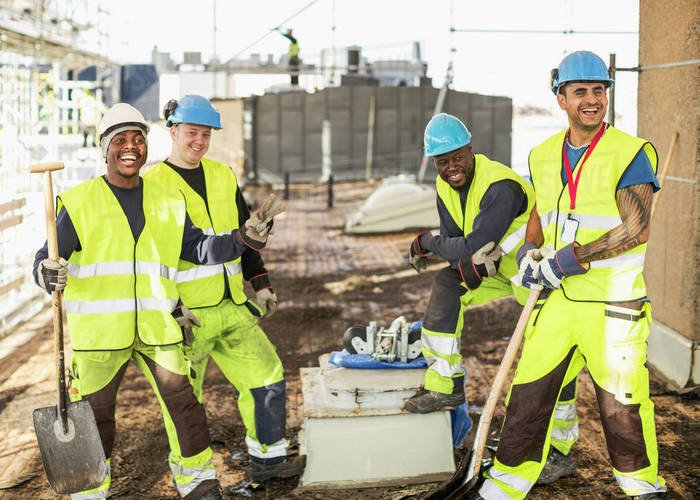
Italy remains one of Europe’s leading destinations for construction and infrastructure projects. As residential, commercial, and industrial developments continue across the country, the demand for skilled and unskilled construction workers has increased. Construction helper jobs in Italy offer an excellent opportunity for individuals looking to start a career in the European construction industry.
Construction helpers assist skilled workers such as masons, carpenters, electricians, plumbers, steel fixers, painters, and machine operators. These positions are ideal for workers with basic construction knowledge and a willingness to learn.
Why Choose Construction Helper Jobs in Italy?
Construction helper jobs provide stable employment opportunities, competitive salaries, and the possibility of long-term career growth. Many employers also provide training, safety equipment, overtime opportunities, and employee benefits.
Some advantages include:
- Competitive monthly salary
- Overtime pay
- Health insurance
- Paid annual leave
- Safe working environment
- Career advancement opportunities
- Training for new workers
- Long-term employment prospects
Job Responsibilities
A construction helper performs various tasks on construction sites, including:
- Loading and unloading building materials
- Mixing cement and concrete
- Cleaning work areas
- Assisting skilled construction workers
- Carrying tools and equipment
- Digging trenches
- Preparing construction materials
- Supporting carpenters, electricians, and plumbers
- Following workplace safety regulations
- Maintaining construction equipment
Skills Required
Most employers look for candidates who possess the following skills:
- Physical fitness
- Ability to lift heavy materials
- Teamwork skills
- Basic construction knowledge
- Time management
- Safety awareness
- Reliability
- Good communication skills
- Ability to work outdoors
- Willingness to learn
Salary of Construction Helpers in Italy
Construction helper salaries vary depending on experience, employer, and location.
Average salary ranges include:
- Entry-level: €1,300–€1,600 per month
- Experienced helper: €1,700–€2,100 per month
- Overtime earnings can significantly increase monthly income.
Some employers also provide accommodation, transportation, and meal allowances.
Qualifications
Most construction helper positions require:
- High school education (preferred)
- Previous construction experience (helpful but not always required)
- Basic English or Italian language skills
- Good physical condition
- Legal work authorization or an appropriate work visa
Safety Requirements
Construction companies place strong emphasis on workplace safety.
Workers are generally expected to:
- Wear personal protective equipment (PPE)
- Follow safety instructions
- Report hazards immediately
- Attend safety training sessions
- Use construction tools responsibly
Industries Hiring Construction Helpers
Construction helpers may find opportunities in:
- Residential construction
- Commercial buildings
- Road construction
- Bridge construction
- Industrial projects
- Warehouse construction
- Renovation projects
- Infrastructure development
Career Growth
Many workers begin as construction helpers and later advance to positions such as:
- Mason
- Carpenter
- Steel fixer
- Electrician assistant
- Heavy equipment operator
- Site supervisor
- Construction foreman
Experience and additional certifications can significantly improve earning potential.
Documents Required
Applicants typically need:
- Updated CV or resume
- Passport
- Educational certificates
- Experience certificates (if available)
- Medical fitness certificate
- Police clearance (if required)
- Work visa documentation
Tips for Getting Hired
To improve your chances of securing a construction helper job:
- Prepare a professional resume.
- Highlight any construction experience.
- Learn basic workplace Italian.
- Obtain safety certifications if available.
- Apply through reputable recruitment agencies.
- Keep your documents updated.
- Demonstrate reliability and willingness to work.
Popular Construction Companies in Italy
Italy is home to several well-known construction and engineering companies that frequently recruit workers for various projects, depending on business needs. Examples include:
- Webuild S.p.A.
- Rizzani de Eccher
- Itinera S.p.A.
- Pizzarotti & C. S.p.A.
- CMB Società Cooperativa Muratori e Braccianti
- Todini Costruzioni Generali
- Ghella S.p.A.
- Condotte (project-based opportunities may vary)
Availability of positions changes regularly, so candidates should check each company’s official careers page for current vacancies.
How to Apply
You can search for construction helper jobs by:
- Visiting the official career pages of major construction companies.
- Using reputable international job portals.
- Contacting licensed recruitment agencies.
- Applying through government-approved employment services.
- Networking with employers already operating in Italy.
Frequently Asked Questions
Is experience required?
Many entry-level construction helper jobs do not require extensive experience, although previous construction work can improve your chances.
Can foreigners apply?
Yes. Foreign applicants generally need to meet Italy’s immigration and work authorization requirements before employment.
Is Italian language mandatory?
Not always. Some employers accept workers with basic English, but learning Italian can improve employment opportunities.
What is the average working schedule?
Most construction workers work between 40 and 48 hours per week, with overtime available depending on project requirements.
Final Thoughts
Construction helper jobs in Italy continue to attract workers seeking stable employment, competitive salaries, and opportunities for career growth. By preparing the required documents, developing basic construction skills, and applying through legitimate employers and recruitment channels, candidates can improve their chances of finding suitable employment.
Before accepting any job offer, verify the employer’s credentials, review the employment contract carefully, and ensure that visa and work permit requirements are fully understood. Applying through official company career pages and reputable job platforms is the safest way to pursue construction employment opportunities in Italy.
