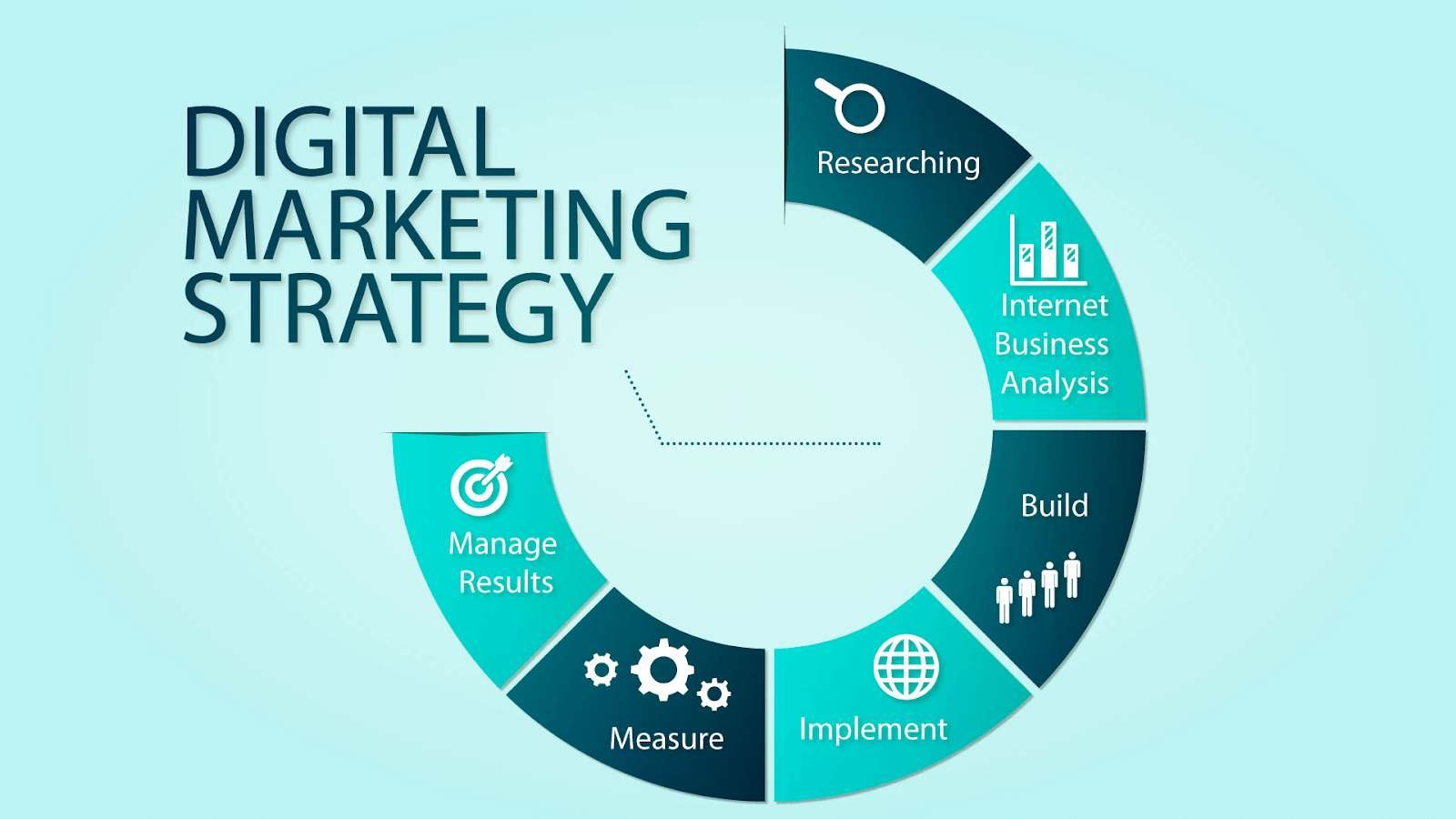
Creating a digital marketing plan can feel overwhelming when you’re just starting out. With so many platforms, tools, and strategies available, it’s easy to lose focus. The good news is that an effective plan doesn’t have to be complicated—it just needs to be clear, structured, and aligned with your goals,
1. Define Clear Goals
Start by identifying what you want to achieve. Your goals should be specific and measurable.
Examples:
- Increase website traffic
- Generate leads or sales
- Build brand awareness
- Grow your email subscriber list
Use the SMART method:
- Specific
- Measurable
- Achievable
- Relevant
- Time-bound
Having clear goals keeps your marketing efforts focused and trackable.
2. Identify Your Target Audience
Understanding your audience is essential for creating effective campaigns.
Ask questions like:
- Who are they? (age, profession, interests)
- What problems do they face?
- What solutions are they searching for online?
You can gather insights through:
- Website analytics
- Social media engagement
- Surveys or feedback
The better you understand your audience, the more relevant your content will be.
3. Analyze Your Competitors
Competitor research helps you learn what works in your industry.
Look at:
- Their website structure
- Content topics and quality
- Social media activity
- Advertising strategies
Don’t copy—use this information to identify gaps and opportunities.
4. Build a Strong Online Presence
Your digital marketing plan should include a central platform—usually your website.
Make sure your website is:
- Mobile-friendly
- Fast-loading
- Easy to navigate
- Filled with original, helpful content
Include essential pages:
- Home
- About
- Contact
- Privacy Policy (important for AdSense compliance)
5. Develop a Content Strategy
Content is the foundation of digital marketing.
Plan content that:
- Educates your audience
- Solves real problems
- Provides accurate and useful information
Types of content:
- Blog posts
- How-to guides
- Videos
- Infographics
Create a content calendar to stay consistent. Consistency builds trust and authority.
6. Apply Basic SEO Techniques
Search Engine Optimization (SEO) helps your content rank higher in search results.
Key practices:
- Use relevant keywords naturally
- Write clear and descriptive titles
- Optimize meta descriptions
- Add internal and external links
Avoid:
- Keyword stuffing
- Misleading titles
- Duplicate content
These practices not only improve visibility but also keep your site compliant with ad policies.
7. Choose the Right Marketing Channels
You don’t need to be on every platform. Focus on where your audience spends time.
Popular channels include:
- Search engines (SEO)
- Social media platforms
- Email marketing
- Paid advertising
Start small, then expand as you grow.
8. Set a Budget and Allocate Resources
Even a simple plan should include a budget.
Decide:
- How much you can spend on ads
- Tools or software you may need
- Time investment for content creation
If your budget is limited, focus on organic strategies like SEO and content marketing.
9. Track and Measure Results
Monitoring performance helps you improve your strategy.
Important metrics:
- Website traffic
- Bounce rate
- Conversion rate
- Engagement (likes, shares, comments)
Use analytics tools to understand what’s working and what needs adjustment.
10. Follow Google AdSense Policies
If you plan to monetize your website, following Google AdSense guidelines is essential.
a. Create Original, High-Quality Content
- Avoid copied or low-value content
- Focus on usefulness and accuracy
b. Use Honest and Clear Headlines
- No clickbait or misleading promises
- Headlines must reflect actual content
c. Maintain a Good User Experience
- Avoid excessive ads
- Ensure content is easy to read
d. Avoid Prohibited Content
Do not publish:
- Harmful or illegal material
- Hate speech or offensive content
- Adult or explicit material
e. Do Not Encourage Ad Clicks
- Never ask users to click ads
- Avoid placing ads in a misleading way
Following these rules protects your account and builds long-term trust with your audience.
11. Optimize and Improve Over Time
A digital marketing plan is not static—it evolves.
- Test different strategies
- Update old content
- Improve based on performance data
Continuous improvement leads to better results over time.
Conclusion
Building an effective digital marketing plan as a beginner doesn’t require complex tools or large budgets. By focusing on clear goals, audience understanding, valuable content, and ethical practices, you can create a strategy that delivers consistent growth.
Most importantly, always prioritize honesty, quality, and user experience. Not only will this help you succeed in digital marketing, but it will also ensure compliance with Google AdSense policies, allowing you to monetize your efforts safely and sustainably.