Mexico is one of the world’s most recognizable travel destinations, famous for its ancient civilizations, beautiful beaches, colorful cities, distinctive cuisine, music, festivals and rich cultural heritage. Located in North America, Mexico shares a long border with the United States and attracts millions of U.S. travelers every year.
In 2024, Mexico was the largest outbound international market for U.S. travelers, with approximately 39.9 million U.S. visits, according to the U.S. National Travel and Tourism Office.
But Mexico’s popularity is about much more than its proximity to the United States. Its history stretches back thousands of years, and the country contains archaeological sites, colonial cities, natural landscapes and modern resort destinations.
This comprehensive guide explains the history of Mexico, why Mexico is famous around the world, the best-known Mexican destinations, Mexican culture and food, and why so many Americans choose Mexico for vacations.
Mexico at a Glance
- Country: Mexico
- Region: North America
- Capital: Mexico City
- Official language: Spanish is the dominant national language, alongside numerous Indigenous languages
- Currency: Mexican peso
- Major tourism attractions: Beaches, archaeological sites, historic cities, food, culture and nature
- Major international visitors: Travelers from the United States, Canada, Europe and other regions
- Popular destinations: Cancún, Riviera Maya, Mexico City, Puerto Vallarta, Los Cabos, Oaxaca, Mérida and Guadalajara
Mexico has an exceptionally diverse cultural and natural landscape. UNESCO currently lists 36 World Heritage properties in Mexico, including cultural, natural and mixed sites.
A Brief History of Mexico
The history of Mexico is one of the richest in the Americas. Long before the modern Mexican state existed, the region was home to sophisticated civilizations that developed cities, agriculture, trade networks, art, mathematics, astronomy and complex political systems.
Ancient Civilizations of Mexico
Among the most important ancient civilizations were the Olmec, Maya, Teotihuacan, Zapotec, Mixtec, Toltec and Mexica (Aztec) cultures.
The Olmec Civilization
The Olmec civilization flourished in parts of what is now southern Mexico more than 3,000 years ago.
The Olmec are particularly famous for their enormous stone heads. Archaeologists also associate the civilization with important developments in art, religious traditions, trade and urban life.
Their cultural influence extended beyond their immediate territory and became part of the broader development of Mesoamerican civilization.
The Maya Civilization
The Maya developed one of the most sophisticated civilizations of ancient Mesoamerica.
Maya societies built impressive cities and ceremonial centers across southern Mexico and Central America. They developed advanced systems of writing, mathematics and astronomy.
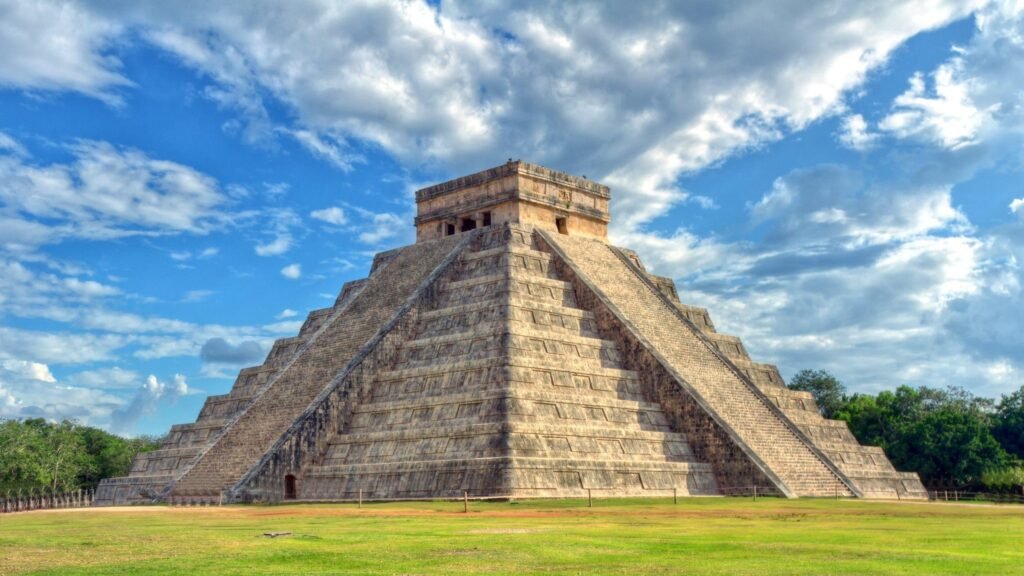
Today, archaeological sites such as Chichén Itzá, Palenque and Uxmal attract visitors from around the world.
Chichén Itzá is one of Mexico’s best-known archaeological attractions and is included on UNESCO’s World Heritage List.
Teotihuacan
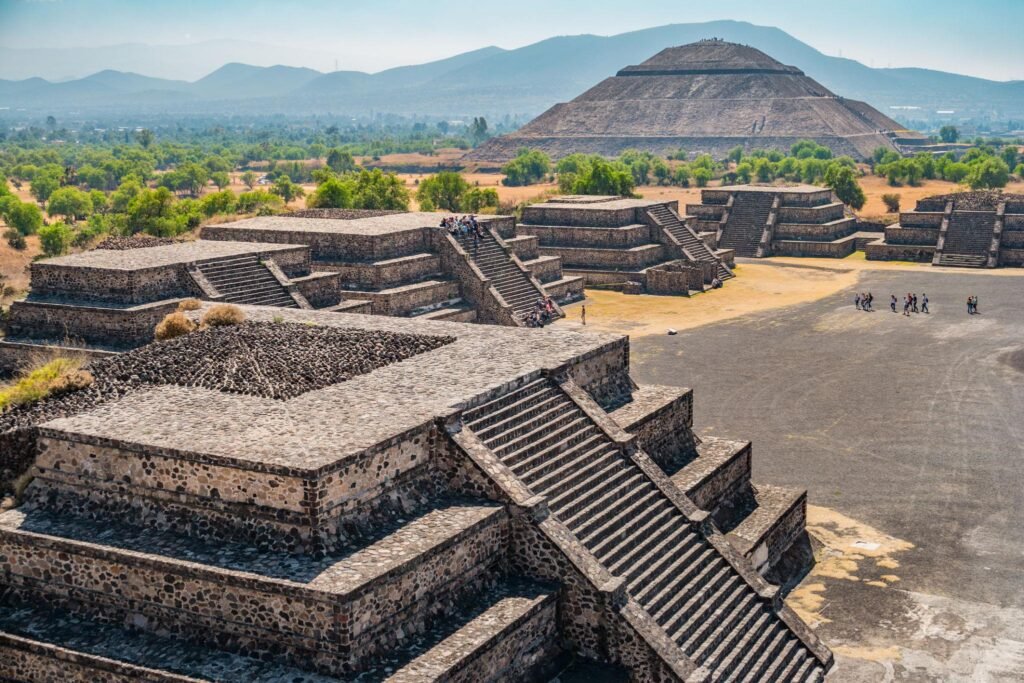
Another extraordinary ancient city is Teotihuacan, located near modern Mexico City.
The city became one of the most important urban centers of ancient Mesoamerica. Its enormous pyramids and monumental avenues demonstrate the scale and sophistication of its civilization.
The archaeological zone of Teotihuacan is also recognized by UNESCO as a World Heritage site.
The Mexica and Tenochtitlan
The Mexica, commonly known as the Aztecs, established Tenochtitlan in the Valley of Mexico.
Tenochtitlan developed into a powerful capital built around Lake Texcoco. Its engineering, markets, temples and urban organization impressed later European observers.
Modern Mexico City was constructed partly on and around the former Aztec capital. UNESCO notes that the historic center of Mexico City was built by the Spanish in the 16th century on the ruins of Tenochtitlan.
Spanish Conquest and Colonial Mexico
In the early 16th century, Spanish forces led by Hernán Cortés arrived in Mexico.
The Spanish conquest resulted in the fall of the Mexica Empire and dramatically changed the political, economic, religious and social structure of the region.
Mexico became a major part of New Spain, the Spanish colonial empire in the Americas.
During the colonial period, Spanish architecture, Christianity, European political institutions and new economic systems became deeply established.
Many Mexican cities today still contain remarkable colonial architecture.
Historic centers such as Puebla, Oaxaca, Guanajuato, Morelia, Zacatecas and Mexico City reflect this period. UNESCO recognizes numerous Mexican historic centers as World Heritage sites.
Mexico’s Independence
Mexico’s independence movement began in 1810.
The Grito de Dolores, associated with Miguel Hidalgo, became a major symbolic event in the struggle against Spanish colonial rule.
After years of conflict, Mexico achieved independence from Spain in 1821.
The new nation then went through periods of political instability, economic difficulty and territorial conflict as it developed its modern national identity.
Mexico in the 19th and 20th Centuries
The 19th century was marked by significant political and military changes.
Mexico experienced conflicts involving internal political groups and foreign powers. The country also underwent major reforms, particularly during the period associated with Benito Juárez.
One of the most important events of the early 20th century was the Mexican Revolution, which began in 1910.
The revolution transformed Mexican politics and society and eventually contributed to the development of modern Mexican institutions.
Throughout the 20th century, Mexico increasingly developed its industrial, agricultural, cultural and tourism sectors.
Today, Mexico is a major economy and one of the world’s most important tourism destinations.
Why Is Mexico Famous Around the World?
Mexico is famous for many different reasons. Its international reputation is built on a combination of history, food, beaches, culture, nature and hospitality.
1. Mexican Food
Mexican cuisine is one of Mexico’s most recognizable cultural exports.
Popular foods include:
- Tacos
- Tamales
- Enchiladas
- Mole
- Pozole
- Chiles rellenos
- Quesadillas
- Guacamole
- Cochinita pibil
Mexican cuisine is much more diverse than the common international image of tacos and burritos. Different regions have their own ingredients, cooking methods and specialties.
This regional diversity makes food tourism an important reason people travel around Mexico.
2. Beautiful Beaches
Mexico has coastlines along both the Pacific Ocean and the Caribbean Sea.
Its most famous beach destinations include:
- Cancún
- Playa del Carmen
- Tulum
- Riviera Maya
- Puerto Vallarta
- Los Cabos
- Cozumel
- Huatulco
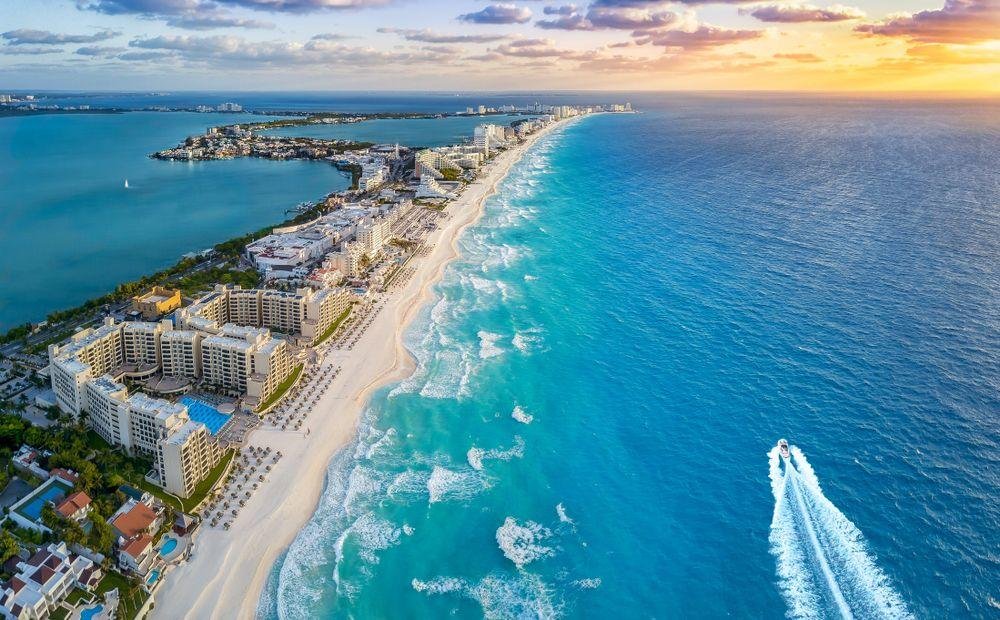
The Caribbean coast is particularly famous for clear turquoise water, white-sand beaches and large resort complexes.
Mexico’s official tourism information highlights destinations including Cancún, Playa del Carmen, Tulum, Puerto Vallarta, Los Cabos and the Riviera Maya.
3. Ancient Pyramids and Archaeological Sites
Mexico is one of the world’s best destinations for travelers interested in ancient civilizations.
Important archaeological attractions include:
- Chichén Itzá
- Teotihuacan
- Palenque
- Uxmal
- Monte Albán
- Tulum
These sites allow visitors to learn about the civilizations that existed in Mesoamerica long before European colonization.
UNESCO lists many of these archaeological locations as World Heritage properties.
4. Mexico City
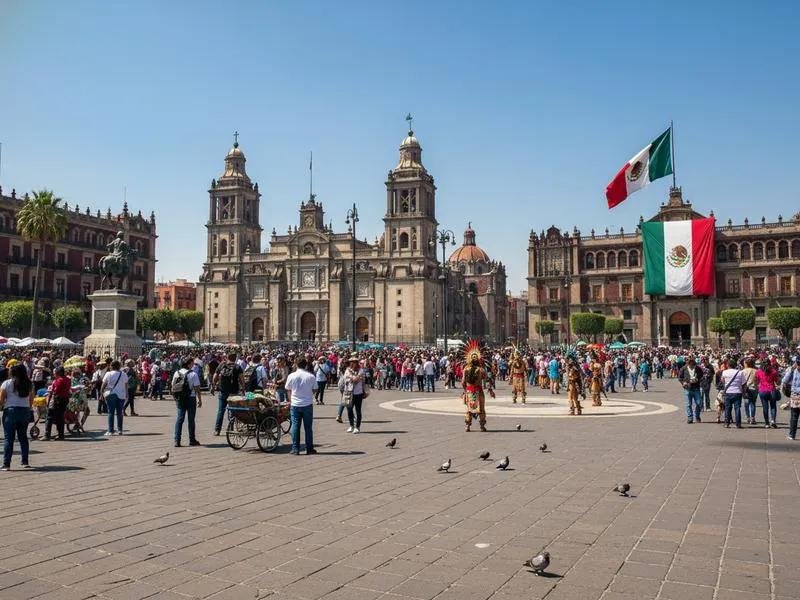
Mexico City is one of the world’s largest metropolitan areas and an important center for history, art, museums, business and cuisine.
Visitors can explore the historic center, museums, public squares, markets, restaurants and cultural attractions.
The historic center and Xochimilco were added to the UNESCO World Heritage List in 1987.
5. Mexican Culture and Festivals
Mexico has a vibrant cultural identity influenced by Indigenous civilizations, Spanish colonial history and many regional traditions.
One of the country’s best-known cultural celebrations is Día de los Muertos (Day of the Dead).
The celebration is internationally recognized for its colorful decorations, altars, flowers, music and traditions honoring deceased family members.
Mexico is also famous for mariachi music, traditional dances, colorful crafts and regional festivals.
Why Do Americans Visit Mexico?
Americans are particularly important to Mexico’s tourism industry because of the two countries’ geographical proximity and strong travel connections.
According to the U.S. National Travel and Tourism Office, 39.9 million U.S. travelers visited Mexico in 2024, making Mexico the largest outbound market for U.S. travelers in that year’s data.
There are several reasons for this popularity.
1. Mexico Is Close to the United States
Mexico is one of the easiest international destinations for many Americans to reach.
Travelers from southern U.S. states can reach Mexico relatively quickly by air or, in some locations, by land.
This makes Mexico convenient for short vacations as well as longer holidays.
2. Warm Weather
Many Americans travel to Mexico to enjoy warm weather, particularly during colder months.
Beach destinations such as Cancún, Riviera Maya, Puerto Vallarta and Los Cabos provide opportunities for swimming, relaxation and outdoor activities.
3. Resort Vacations
Mexico is well known for its resort industry.
Many travelers choose vacation packages that combine:
- Hotel accommodation
- Meals
- Beach access
- Swimming pools
- Entertainment
- Excursions
- Water activities
This can make planning a vacation easier for travelers who prefer a single destination and organized services.
4. Beaches and Water Activities
Americans who enjoy the ocean can find many activities in Mexico, including:
- Snorkeling
- Scuba diving
- Surfing
- Fishing
- Sailing
- Whale watching
- Swimming
- Kayaking
Cozumel and the Riviera Maya are especially well known for marine tourism.
5. Food
Food is another major reason Americans visit Mexico.
Travelers can experience regional Mexican dishes that may be very different from Mexican food commonly found in the United States.
Trying authentic local cuisine is an important part of the travel experience for many visitors.
6. Culture and History
Mexico offers an unusual combination of beach tourism and historical tourism.
A traveler can spend several days at a Caribbean resort and then visit ancient archaeological sites or colonial towns.
For history enthusiasts, places such as Chichén Itzá, Teotihuacan and Mexico City’s historic center provide opportunities to explore Mexico’s long cultural history.
7. Variety of Destinations
Mexico isn’t a single type of vacation destination.
A visitor can choose:
Beach vacation: Cancún, Riviera Maya or Los Cabos
Cultural trip: Oaxaca or Mexico City
Historical trip: Chichén Itzá or Teotihuacan
Food trip: Oaxaca, Puebla or Mexico City
Luxury vacation: Los Cabos or Riviera Maya
Nature trip: Baja California, Yucatán or other protected areas
This variety makes Mexico attractive to different types of travelers.
Most Popular Mexican Destinations
Cancún
Cancún is one of Mexico’s most internationally recognized tourist destinations.
It is famous for its Caribbean beaches, hotels, resorts, nightlife and access to attractions throughout the Yucatán Peninsula.
Riviera Maya
The Riviera Maya stretches along Mexico’s Caribbean coast and includes destinations such as Playa del Carmen and Tulum.
It combines beaches, resorts, cenotes, archaeological attractions and nature experiences.
Mexico City
Mexico City is ideal for visitors interested in museums, architecture, history, art, food and urban culture.
Tulum
Tulum is famous for its archaeological ruins overlooking the Caribbean Sea and its surrounding beaches and natural attractions.
Puerto Vallarta
Located on Mexico’s Pacific coast, Puerto Vallarta is known for beaches, restaurants, resorts and outdoor activities.
Los Cabos
Los Cabos, at the southern end of the Baja California Peninsula, is known for dramatic coastal scenery, beaches, resorts, golf and marine activities.
Mexico’s UNESCO World Heritage Sites
Mexico has an exceptionally strong World Heritage presence.
UNESCO currently lists 36 World Heritage properties in Mexico, including 28 cultural sites, 6 natural sites and 2 mixed sites.
Examples include:
- Historic Centre of Mexico City and Xochimilco
- Historic Centre of Oaxaca and Archaeological Site of Monte Albán
- Historic Centre of Puebla
- Pre-Hispanic City of Chichén Itzá
- Pre-Hispanic City of Teotihuacan
- Pre-Hispanic City and National Park of Palenque
- Historic Town of Guanajuato
- Sian Ka’an
- Monarch Butterfly Biosphere Reserve
- Ancient Maya City and Protected Tropical Forests of Calakmul
This heritage is one of the strongest reasons Mexico is recognized internationally as a cultural and tourism destination.
Is Mexico Good for a Vacation?
Mexico can be an excellent vacation destination because it offers a broad range of experiences.
However, travelers should research their specific destination before booking. Mexico is a large country, and conditions, transportation, local regulations and safety considerations can differ considerably between states and cities.
Travelers should check current official travel advisories, use reputable accommodation and transportation providers, protect important documents and follow local laws.
A responsible travel article should avoid claiming that every part of a country is equally safe or equally suitable for every traveler.
Mexico Travel Tips for First-Time Visitors
Research Your Destination
Don’t simply search for “Mexico.” Decide whether you want a beach vacation, cultural trip, historical journey, food tour or nature experience.
Plan Your Budget
Include accommodation, flights, transportation, food, activities, entrance fees and travel insurance when calculating your total vacation cost.
Learn Basic Spanish
Although many tourist areas have English-speaking staff, knowing basic Spanish can make travel easier and more enjoyable.
Respect Local Culture
Mexico has diverse traditions and communities. Visitors should respect local customs, historical sites, religious spaces and cultural practices.
Use Reputable Services
For hotels, tours, transportation and other travel services, choose established providers and read recent reviews before making payments.
Frequently Asked Questions About Mexico
Why is Mexico famous?
Mexico is famous for its ancient civilizations, archaeological sites, beaches, food, music, festivals, colonial architecture, art and diverse natural landscapes.
Why do Americans visit Mexico so much?
Major reasons include Mexico’s proximity to the United States, warm climate, beaches, resorts, food, culture, historical attractions and wide variety of destinations. U.S. government tourism data recorded about 39.9 million U.S. visits to Mexico in 2024.
What is Mexico most famous for?
Mexico is particularly famous for its cuisine, beaches, Maya and other Mesoamerican archaeological sites, Día de los Muertos, mariachi, tequila, colorful culture and historic cities.
What are Mexico’s most famous tourist destinations?
Popular destinations include Cancún, Riviera Maya, Tulum, Mexico City, Puerto Vallarta, Los Cabos, Oaxaca and Guadalajara.
Is Mexico only famous for beaches?
No. Mexico has extensive cultural and historical attractions, including ancient archaeological sites and UNESCO World Heritage cities. UNESCO recognizes 36 World Heritage properties in the country.
Conclusion
Mexico’s international popularity comes from a unique combination of ancient history, living culture, world-famous food, beautiful coastlines, archaeological treasures and modern tourism infrastructure.
For Americans, Mexico has an additional advantage: it is relatively close to the United States and offers many different types of vacations. From a Caribbean beach holiday in Cancún to a cultural trip through Oaxaca or a historical visit to Teotihuacan, travelers can find very different experiences within the same country.
The scale of U.S. travel to Mexico demonstrates how important the destination is to American travelers. In 2024, Mexico received approximately 39.9 million U.S. visits, making it the largest outbound market in the U.S. government’s reported international travel data.
Mexico’s combination of history, culture, nature and tourism variety ensures that it remains one of the world’s most recognizable travel destinations.
