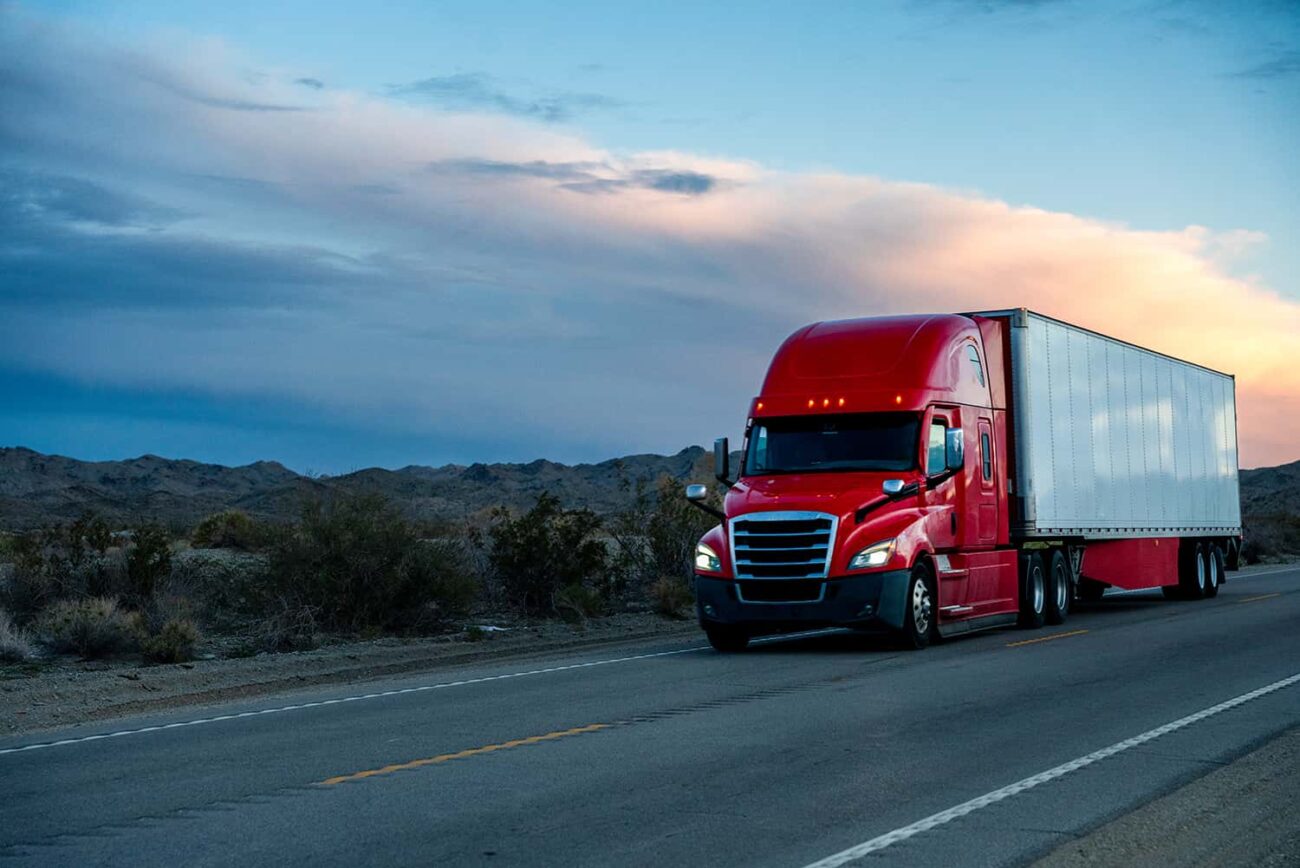
Truck Driver Jobs in Canada: Current Outlook
Canada continues to face a shortage of truck drivers, but the situation is more nuanced than before. While demand remains strong in certain provinces, it varies by region, licensing requirements, and employer needs.
The trucking industry is still critical to Canada’s economy, moving hundreds of billions of dollars’ worth of goods each year. However, factors like automation, economic cycles, and stricter hiring requirements mean immigration is possible—but not automatic.
NOC 2021 Update: Truck Drivers
Canada replaced the old NOC 2016 system with NOC 2021 system, which uses TEER categories (Training, Education, Experience, Responsibilities).
- Occupation: Transport Truck Drivers
- NOC Code: 73300
- TEER Level: 3
This change made truck drivers eligible under more immigration pathways, including some programs managed by Immigration, Refugees and Citizenship Canada.
Can Truck Drivers Apply Through Express Entry?
Yes—but with conditions.
Canada’s Express Entry manages three main immigration programs:
- Federal Skilled Worker Program (FSWP)
- Canadian Experience Class (CEC)
- Federal Skilled Trades Program (FSTP)
Truck drivers are now considered eligible under TEER 3, but:
- You usually need strong English (IELTS) scores
- You must meet CRS (Comprehensive Ranking System) cut-offs
- Foreign truck driving experience alone may not be enough
👉 In reality, most truck drivers immigrate through Provincial Nominee Programs (PNPs) rather than Express Entry alone.
Better Pathways for Truck Drivers (Recommended)
1. Provincial Nominee Programs (PNPs)
Many provinces actively recruit truck drivers:
- Ontario Immigrant Nominee Program (OINP)
- Saskatchewan Immigrant Nominee Program (SINP)
- Alberta Advantage Immigration Program (AAIP)
- Manitoba Provincial Nominee Program (MPNP)
These programs often:
- Require a valid job offer
- Prioritize candidates already working in Canada
- Have lower CRS requirements

2. Work Permit First (Most Common Route)
This is the most realistic path:
- Get a job offer from a Canadian trucking company
- Employer applies for LMIA (Labour Market Impact Assessment)
- You apply for a work permit
- Gain Canadian experience
- Apply for PR via CEC or PNP
Requirements to Work as a Truck Driver in Canada
To work legally, you typically need:
- Valid job offer
- Commercial driver’s license (Class 1/A depending on province)
- Clean driving record
- Basic English or French skills
- Medical fitness
⚠️ Important: You cannot directly use a foreign license—you must convert or retrain in Canada.
Reality Check (Important)
Some claims online are misleading. Here’s the truth:
- ❌ There are NOT unlimited truck driver visas
- ❌ Express Entry alone is rarely enough for this occupation
- ❌ Employers prefer candidates already in Canada
- ✅ The shortage exists, but hiring is regulated and competitive
Demand & Industry Insights
- Thousands of positions still open across provinces
- Aging workforce continues to create demand
- Long-haul trucking has higher demand than local routes
- Pay varies widely depending on experience and province
Step-by-Step Immigration Plan
- Check eligibility (age, education, language)
- Improve IELTS score (CLB 5–7 recommended)
- Search for Canadian employers
- Apply for work permit (LMIA-based)
- Gain Canadian work experience
- Apply for PR through PNP or Express Entry
Conclusion
Truck driving can be a viable pathway to Canadian immigration, but it usually requires a two-step process (work permit → PR) rather than direct Express Entry.
If you’re serious about this path, focus on:
