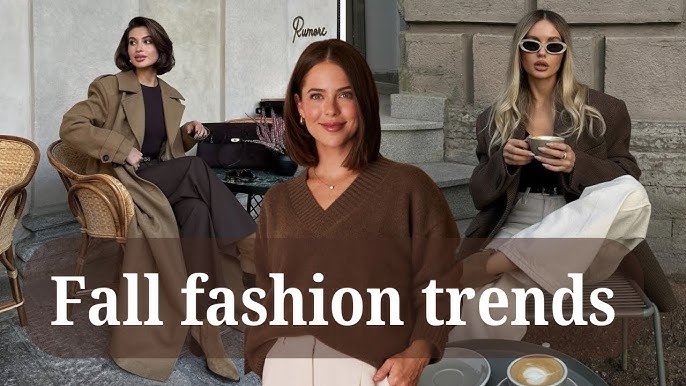
The UK is one of the world’s most diverse fashion markets. From affordable high-street clothing and everyday basics to sportswear, denim, luxury fashion and traditional British outerwear, shoppers have an enormous range of choices.
British fashion preferences are also changing. Consumers increasingly want clothing that combines style, comfort, quality and value for money rather than simply following every short-lived trend. At the same time, sportswear, relaxed clothing, denim, smart-casual outfits and timeless wardrobe staples remain important parts of everyday British fashion.
So, what clothes do people in the UK like most, which brands are popular, and what should shoppers look for when buying quality clothing? This guide explains the UK’s fashion market in detail.
What Is the Most Popular Fashion in the UK?
There is no single style that everyone in Britain wears. Fashion preferences vary considerably according to age, location, income, lifestyle and occasion. However, several categories consistently have strong appeal.
1. Casual and Smart-Casual Clothing
Casual fashion is an important part of everyday life in the UK. T-shirts, jeans, knitwear, sweatshirts, hoodies, trainers, casual shirts and comfortable trousers are wardrobe staples.
Smart-casual fashion is particularly versatile because the same basic pieces can work for work, social occasions and weekends. A well-fitting pair of trousers with a shirt, knitwear and clean trainers, for example, can create a polished look without being overly formal.
Current fashion coverage also shows continued interest in practical, versatile pieces such as wide-leg trousers, lightweight layers, knitwear, loafers and elevated basics.
2. Denim and Jeans
Jeans remain one of the most important clothing purchases in the UK. They are popular because they can be worn throughout the year and styled for both casual and smarter outfits.
In 2026, denim trends are moving toward more refined silhouettes. Deep indigo washes, relaxed long jeans, structured shapes, cigarette-style jeans and modern slim-flare designs are receiving attention, while some extremely distressed and ultra-tight styles have become less dominant.
When buying jeans, shoppers should consider:
- Fabric weight and durability
- Stretch and comfort
- Waist and rise
- Leg shape
- Stitching quality
- Colour and wash
- How easily the jeans can be combined with other clothing
A good pair of jeans should fit comfortably and maintain its shape after repeated washing.
3. Sportswear and Athleisure
Sportswear has moved beyond the gym and is now part of everyday fashion.
Trainers, leggings, tracksuits, sweatshirts, technical jackets, football shirts, hoodies and performance-inspired clothing are popular with consumers of different ages. Sportswear can be worn for exercise, travel, shopping and casual social occasions.
The popularity of brands such as Nike and adidas demonstrates the strength of sportswear in the UK. YouGov’s first-quarter 2026 ratings place Nike and adidas among the UK’s most positively viewed fashion and clothing brands.
The trend is also becoming more fashion-oriented. Current 2026 fashion coverage highlights the continuing influence of athletic aesthetics, including football jerseys, board shorts and windbreakers.
4. Trainers and Everyday Footwear
For many British shoppers, footwear is just as important as clothing.
Trainers are especially versatile because they can be combined with jeans, trousers, dresses, skirts and sportswear. Classic styles can remain fashionable for years, while limited editions and new releases appeal to trend-conscious shoppers.
Popular footwear categories include:
- Everyday trainers
- Running shoes
- Lifestyle sneakers
- Boots
- Loafers
- Casual shoes
- Walking and outdoor footwear
Brands such as Nike, adidas, New Balance, Converse, Dr. Martens and Clarks have strong recognition and popularity among UK consumers.
5. Knitwear and Layering
The UK’s climate naturally makes knitwear and layering important.
Jumpers, cardigans, knitted dresses, lightweight sweaters, overshirts and coats can be used throughout much of the year. Instead of buying clothes for only one season, many shoppers prefer pieces that can be layered.
For example, a good-quality T-shirt can be worn alone in warmer weather, under a cardigan during autumn or beneath a coat in winter.
This makes versatile clothing particularly attractive to shoppers who want to get more use from their wardrobe.
6. Coats and Jackets
Outerwear is another major part of British fashion.
The UK weather can change quickly, so shoppers often need clothing that combines appearance with practicality. Popular choices include:
- Wool coats
- Trench coats
- Puffer jackets
- Quilted jackets
- Parkas
- Waterproof jackets
- Leather jackets
- Waxed jackets
- Lightweight transitional jackets
Traditional British outerwear also continues to have cultural appeal. Heritage-inspired clothing can provide a combination of practicality, durability and classic styling.
7. Dresses and Women’s Fashion
Women’s fashion in the UK covers a particularly broad range of styles, from everyday dresses and trousers to workwear, occasionwear and luxury fashion.
Current fashion coverage points to continuing demand for versatile dresses, tailored pieces, lightweight knitwear and clothing that can transition between seasons.
For everyday wear, shoppers commonly look for clothing that is:
- Comfortable
- Easy to wash
- Easy to combine with existing clothes
- Suitable for several occasions
- Well-fitted
- Durable enough for regular use
For special occasions, shoppers may place greater emphasis on colour, fabric, cut and distinctive design.
What Quality of Clothes Do UK Shoppers Prefer?
Price is important, but quality is increasingly part of the purchasing decision.
Good-quality clothing does not necessarily mean that the most expensive item is the best choice. Quality should be judged by the construction and materials of the garment.
What to Look for in Quality Clothing
Fabric
Check the composition and feel of the fabric. Natural fibres such as cotton, wool, linen and leather can offer different benefits, while modern synthetic fibres can provide durability, stretch, water resistance or easy care.
The right material depends on the garment.
Stitching
Examine seams, hems, buttons and zips. Straight, secure stitching and reinforced areas can indicate better construction.
Fit
Even expensive clothing will not look good if it does not fit correctly. Shoppers should check measurements rather than relying only on the size label because sizing can vary between brands.
Durability
Think about how often the garment will be worn. A frequently worn coat, pair of jeans or pair of shoes may justify spending more on construction and materials.
Care Requirements
Before buying, check washing and care instructions. A beautiful garment that requires difficult or expensive maintenance may not be practical for everyday use.
Which Fashion Brands Are Most Popular in the UK?
Current YouGov Ratings provide a useful picture of brand popularity. In its first-quarter 2026 data, the leading fashion and clothing brands by positive opinion included Levi’s, Nike, Dr. Martens, Primark, adidas, Next, George, Clarks, Sports Direct and Converse.
Here is what makes several of these brands attractive to British shoppers.
Levi’s
Levi’s has a particularly strong position in denim. Its long association with jeans makes it a natural choice for shoppers looking for established denim styles.
Nike
Nike is one of the UK’s best-known sportswear brands, covering trainers, clothing and athletic products. Its appeal extends beyond sport into everyday streetwear.
adidas
adidas combines sportswear with lifestyle fashion. Trainers, tracksuits, football-inspired clothing and casual pieces contribute to its popularity.
Dr. Martens
Dr. Martens is strongly associated with distinctive boots and British fashion culture. Its footwear can work with jeans, dresses, skirts and alternative or casual styles.
Primark
Primark is particularly attractive to shoppers who want current fashion at accessible prices. Its strength is its broad selection of clothing and accessories.
Next
Next has a strong position in mainstream British fashion, offering clothing for men, women and children as well as footwear and accessories.
George
George, sold through ASDA, is a major value-oriented clothing option. Its popularity demonstrates the importance of affordable everyday fashion in Britain.
Clarks
Clarks is especially recognised for footwear. Its appeal comes from combining everyday wearability with established British heritage.
Which UK Retailer Is Considered the Best for Quality and Value?
One of the clearest pieces of current UK consumer data comes from YouGov’s 2026 fashion retailer rankings.
Marks & Spencer (M&S) ranked first for fashion retailer consideration at 52.4%. It also topped YouGov’s 2026 UK fashion retailer rankings for perceived quality, with a quality score of 60.0, and for value, with a score of 38.8. Next and Nike followed M&S in consideration, while adidas ranked fourth and Primark fifth.
This is significant because it shows that British shoppers do not necessarily divide the market into simply “cheap” and “expensive.” A retailer can be successful by convincing customers that its clothing offers a worthwhile combination of quality, price and practicality.
What About British Fashion Brands?
The UK has a long fashion tradition, ranging from high-street retailers to heritage companies and luxury designers.
Some well-known British names include:
- Marks & Spencer
- Next
- Barbour
- Burberry
- Clarks
- Dr. Martens
- John Lewis
- Boden
- Ted Baker
- Reiss
- AllSaints
- Mulberry
However, it is important to distinguish British brands from clothes that are manufactured in Britain. A brand can be British while producing some or much of its clothing internationally. Therefore, shoppers who specifically want UK-made garments should check the individual product’s country-of-origin information.
Affordable Fashion vs Premium Clothing
The UK fashion market offers something for almost every budget.
Affordable fashion
Budget and high-street retailers appeal to shoppers who want to update their wardrobes frequently without spending large amounts on individual pieces.
The advantage is affordability and variety. The potential disadvantage is that lower-priced garments can vary considerably in fabric, construction and durability.
Mid-range fashion
Mid-market brands can provide a balance between price, quality and design. This category is attractive to shoppers who want clothing that looks polished and lasts reasonably well without moving into luxury pricing.
Premium and luxury fashion
Premium clothing tends to place greater emphasis on materials, construction, design and brand identity. Luxury fashion can also offer distinctive designs and craftsmanship, although a higher price does not automatically guarantee better quality.
The best approach is to judge the garment itself rather than assuming that price equals quality.
Are UK Shoppers Interested in Sustainable Fashion?
Sustainability is an increasingly visible part of the fashion conversation, but it does not replace traditional buying considerations such as price, comfort and style.
Consumers are showing interest in:
- Durable clothing
- Second-hand fashion
- Repair services
- Recycled or lower-impact materials
- Vintage clothing
- Clothing that can be worn for many years
- Transparent information about how garments are produced
Recent developments show major fashion retailers offering repair services and sewing initiatives, while resale and repair are increasingly being incorporated into mainstream fashion.
At the same time, sustainability claims should be examined carefully. A shopper should look for specific information about materials, manufacturing, certifications, durability and repairability rather than relying solely on words such as “eco-friendly” or “sustainable.”
Vintage and Second-Hand Fashion
Second-hand fashion has become an important alternative to buying everything new.
Platforms and resale shops allow shoppers to find older garments, designer pieces, vintage denim, coats, shoes and unusual items that may not be available in mainstream stores.
Vintage fashion is also becoming more attractive as people look for individuality. Current fashion coverage has highlighted renewed interest in genuinely aged and distressed vintage T-shirts, reflecting a wider desire for clothing with character and history.
For shoppers, second-hand clothing can offer another advantage: the opportunity to find higher-quality garments at lower prices than their original retail cost.
What Do Younger People in the UK Like to Wear?
Younger shoppers tend to experiment more with fashion, although there is no single style that represents everyone.
Sportswear, trainers, streetwear, denim, oversized and relaxed silhouettes, vintage clothing and social-media-driven trends all influence younger consumers.
Brands such as Nike, adidas, Levi’s, Converse, New Balance and The North Face have strong recognition among younger audiences, while different subcultures create their own combinations of clothing and accessories. YouGov’s brand data also shows strong popularity for Levi’s, adidas, Converse and The North Face among millennials.
Social media also accelerates fashion cycles. A style can move from niche to mainstream remarkably quickly, which means today’s most popular item may not necessarily remain popular next season.
What Should You Buy If You Want a Good UK Wardrobe?
Instead of buying every new trend, shoppers can build a versatile wardrobe around reliable essentials.
A useful starting point could include:
- A well-fitting pair of jeans
- Comfortable everyday trainers
- Several good-quality T-shirts
- A versatile jumper or cardigan
- Smart-casual trousers
- A casual shirt or blouse
- A versatile jacket
- A weather-appropriate coat
- Comfortable everyday footwear
- A few accessories that complement different outfits
Once these essentials are covered, shoppers can add seasonal colours, patterns and trend pieces.
How to Choose Clothes Before Buying
Before purchasing a garment, ask yourself five questions:
Will I wear it regularly?
A fashionable item that stays in the wardrobe is usually poor value.
Does it fit properly?
Check the actual measurements and return policy, especially when shopping online.
Is the fabric appropriate?
Consider the season, comfort, durability and care requirements.
Can I wear it with clothes I already own?
Versatile pieces generally provide better value.
Is the price justified by the quality?
Look at fabric, construction, fit and expected lifespan rather than the brand name alone.
The Future of Fashion in the UK
British fashion is likely to remain a mixture of affordability, practicality, personal expression and changing trends.
The strongest retailers are not necessarily those offering only the cheapest clothing or only the most luxurious products. Brands that can provide good design, reliable quality, reasonable value and a convenient shopping experience have a significant advantage.
Current consumer data reinforces this point. M&S leads UK fashion retailer consideration and perceived quality and value in YouGov’s 2026 rankings, while brands ranging from Levi’s and Nike to Primark, adidas, Next and Clarks demonstrate the UK’s appetite for very different types of fashion.
Final Thoughts
The most popular fashion in the UK is not one particular dress, jacket or pair of trousers. British shoppers have diverse tastes, but several themes stand out: comfortable everyday clothing, denim, sportswear, trainers, knitwear, practical outerwear, smart-casual pieces and versatile wardrobe essentials.
At the same time, shoppers are becoming more conscious about what they purchase. Quality, fit, durability, value and the ability to wear a garment in different ways can matter just as much as following the latest trend.
For anyone planning to buy fashion in the UK, the best strategy is to understand your own lifestyle first and then choose clothing that combines style, comfort, quality and value. Whether you prefer affordable high-street fashion, classic British clothing, sportswear, premium garments or second-hand vintage pieces, the UK market offers an enormous range of choices.
Note on “most searched” terms: Search popularity changes continuously, and a reliable ranking of the exact most-searched clothing keywords requires a current keyword dataset such as Google Keyword Planner or Google Trends. The brand rankings cited above measure consumer popularity/positive opinion rather than Google search volume, so they should not be presented as an exact “most searched” list.